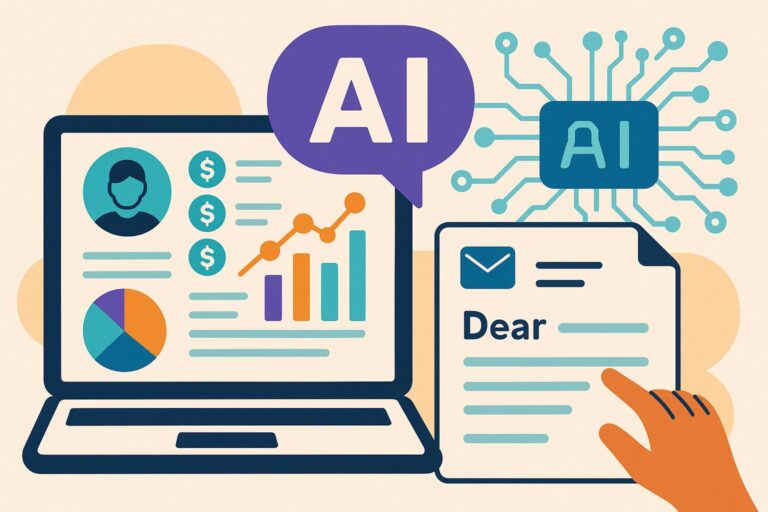
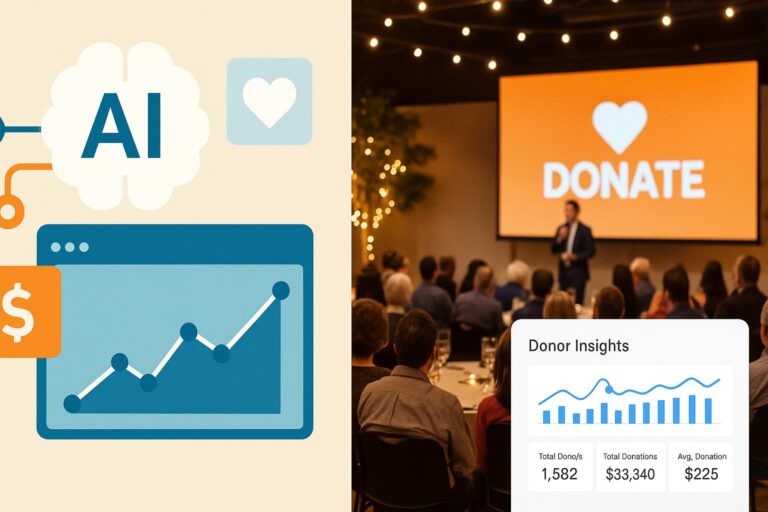
In today’s competitive digital landscape, personalized customer experiences are no longer optional—they are essential for driving engagement and increasing lifetime value. Leveraging AI-driven personalization tools can significantly enhance your marketing automation workflows, deliver tailored content at scale, and ultimately improve ROI.
Why Personalization Matters in Modern Marketing
Customers expect relevant, timely interactions across all touchpoints. Traditional segmentation methods often fall short in delivering the dynamic, individualized experiences that modern consumers demand. AI-driven personalization offers a solution by analyzing vast amounts of data in real-time to trigger personalized interactions that resonate deeply with each user.
Key Strategies for Implementing AI-Driven Personalization
1. Collect and Integrate Customer Data
Start by consolidating data sources—website interactions, email engagement, purchase history, and social media activity—into a unified platform using tools like Segment or Zapier. This data forms the foundation for AI models to generate meaningful insights.
2. Leverage Machine Learning Models for Segmentation
Use platforms like Google Cloud AI or AWS Machine Learning to develop models that classify users based on behavior, preferences, and predicted future actions. This enables dynamic segmentation that adapts in real-time.
3. Personalize Content Delivery
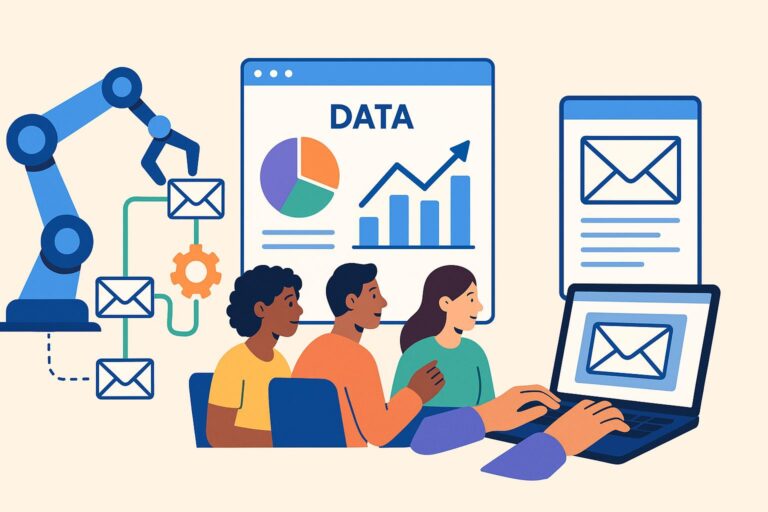
Integrate AI insights into your marketing automation workflows to serve personalized emails, website content, and offers. For example, use dynamic content blocks in your CMS or email platform, guided by AI predictions.
4. Automate with API Integrations
Implement seamless API integrations between your CRM, marketing automation tools, and AI platforms using RESTful APIs or tools like Make. Automate personalized message triggers based on real-time data analysis.
5. Measure and Optimize Campaign Performance
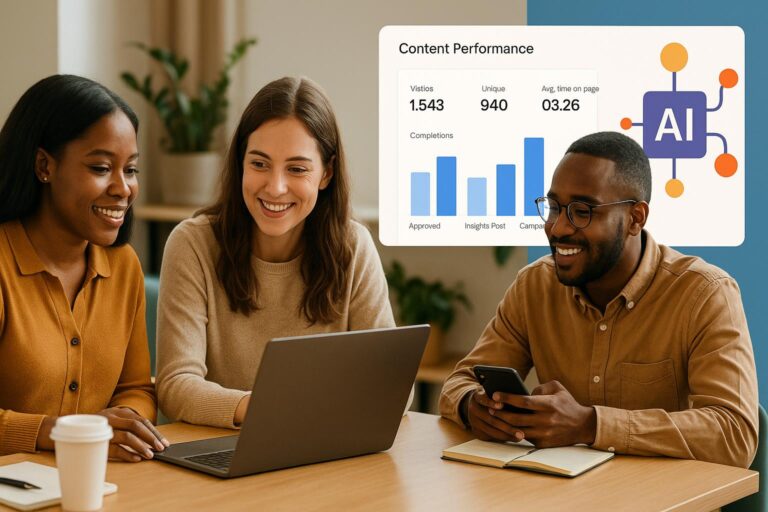
Use advanced analytics dashboards to monitor engagement metrics and conversion rates. Continuously train your AI models with new data to refine personalization accuracy and improve ROI.
Practical Implementation: A Step-by-Step Example
Let’s walk through a simple example of automating personalized product recommendations on an e-commerce site:
// Example: Fetch user data and serve recommendations
fetch('https://api.your-ai-platform.com/getRecommendations', {
method: 'POST',
headers: {
'Content-Type': 'application/json'
},
body: JSON.stringify({
userId: '12345',
recentPurchases: ['productA', 'productB']
})
})
.then(response => response.json())
.then(data => {
// Inject recommendations into webpage
document.getElementById('recommendation-section').innerHTML = data.recommendations;
});This API call sends user data to your AI platform which returns personalized product suggestions. Integrate this into your website or email templates for real-time personalization.
Choosing the Right Tools for Personalization
- Customer Data Platforms (CDPs): Segment, Tealium
- AI & ML Platforms: Google Cloud AI, AWS Sagemaker, IBM Watson
- Marketing Automation: HubSpot, Marketo, Salesforce Pardot
- Content Management & Delivery: Dynamic content blocks in WordPress, Shopify, or custom CMS solutions
Best Practices and Common Pitfalls
- Ensure data privacy and compliance (GDPR, CCPA) when collecting and using customer data.
- Avoid over-personalization that feels intrusive or creepy.
- Continuously test and optimize AI models for accuracy and relevance.
- Maintain transparency about how customer data is used for personalization.
Conclusion & Next Steps
AI-driven personalization is transforming customer engagement by enabling marketers to deliver highly relevant experiences at scale. Start by consolidating your data, exploring ML models, and automating personalized interactions through API integrations. Regularly analyze performance metrics and refine your approach for optimal results. Embrace experimentation and stay updated on emerging AI tools to maintain a competitive edge.