In today’s rapidly evolving digital landscape, leveraging artificial intelligence (AI) for audience targeting is no longer optional—it’s essential for staying ahead of the competition. AI-driven targeting enhances personalization, improves ROI, and enables marketers to reach the right audience with precision and efficiency.
Why AI-Powered Audience Targeting Matters
Traditional targeting methods rely heavily on broad segmentation and historical data, which can be imprecise and outdated. AI algorithms analyze vast datasets in real-time, uncover hidden patterns, and predict user behaviors, enabling more accurate and dynamic audience segmentation. This shift results in higher engagement rates, better conversion metrics, and optimized ad spend.
Key Strategies for Implementing AI in Audience Targeting
1. Integrate AI-Enabled Platforms
Start by adopting platforms that incorporate AI capabilities, such as Google Ads with AI optimization, Facebook’s Automated Rules, or dedicated marketing automation tools like HubSpot or Marketo. These tools streamline audience segmentation and ad delivery based on predictive analytics.
2. Leverage Data Enrichment and Customer Insights
Enhance your existing customer data by integrating third-party data providers and enrich your profiles. Use AI to analyze behavioral signals, purchase history, and engagement patterns to create highly specific audience segments.
3. Use Machine Learning Models for Predictive Analytics
Develop or utilize pre-built machine learning models that forecast customer lifetime value (CLV), churn risk, or propensity to convert. These insights allow for targeted campaigns that address customer needs proactively.
4. Automate Campaign Optimization with API Integrations
Implement API integrations between your marketing platforms and AI services. For example, connect your CRM with AI prediction APIs to dynamically adjust ad spend and creative messaging based on real-time data.
5. Monitor and Adjust Using Performance Dashboards
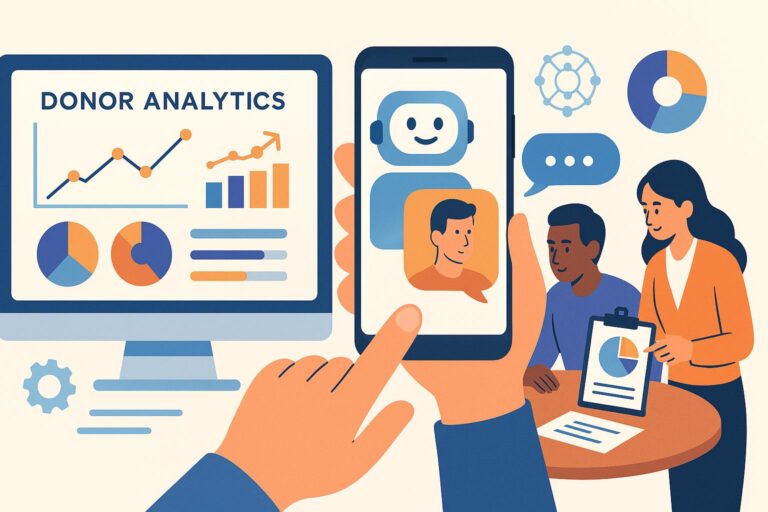
Use comprehensive dashboards to track AI-driven targeting performance metrics, such as click-through rate (CTR), conversion rate, and cost per acquisition (CPA). Continuously refine your models and strategies based on these insights.
Sample Implementation: AI Audience Segmentation with Python
import pandas as pd
from sklearn.cluster import KMeans

# Load your customer data
data = pd.read_csv('customer_data.csv')

# Select features for segmentation
features = data[['age', 'purchase_frequency', 'average_order_value']]

# Apply KMeans clustering
kmeans = KMeans(n_clusters=4)
clusters = kmeans.fit_predict(features)

# Assign cluster labels to data
data['segment'] = clusters

# Save segmented data
data.to_csv('segmented_customers.csv', index=False)
This script demonstrates how to segment audiences based on behavioral features, enabling targeted marketing campaigns tailored to each group.
Best Practices and Pitfalls to Avoid
- Ensure data quality and privacy compliance when collecting and processing user data.
- Continuously test and validate AI models against real-world outcomes.
- Avoid over-reliance on automation; human oversight remains crucial for strategic decision-making.
- Stay updated with emerging AI tools and industry best practices to maintain a competitive edge.
Conclusion
Integrating AI into your audience targeting strategies can significantly improve campaign performance and ROI. Start by adopting suitable platforms, enriching your data, and leveraging predictive analytics. Remember, continuous testing and optimization are key to success in this dynamic field.
**Next Steps:** Explore AI-enabled marketing platforms, experiment with custom models, and embed automation into your workflows to unlock smarter audience targeting today.