Introduction
In the rapidly evolving landscape of digital marketing, capturing and maintaining audience attention is more challenging than ever. Leveraging AI-powered content creation tools offers a powerful way to enhance engagement, personalize messaging at scale, and streamline content workflows. But how can marketing teams effectively integrate AI into their strategies for maximum impact? This post explores actionable methods to harness AI-driven content tools for superior audience engagement.
Understanding AI-Powered Content Creation
AI content creation involves using machine learning algorithms and natural language processing (NLP) models to generate, optimize, and personalize content. From chatbots and email copy to social media posts and blog articles, AI enables marketers to produce high-quality content faster, with greater relevance to their target audiences.
Key Strategies for Implementing AI in Content Marketing
1. Choose the Right AI Tools
Begin by evaluating AI content platforms such as Jasper, Copy.ai, or Writesonic. Consider factors like integration capabilities, ease of use, and support for different content formats. For example, if your team relies heavily on social media, select tools optimized for quick, engaging posts.
2. Automate Content Personalization
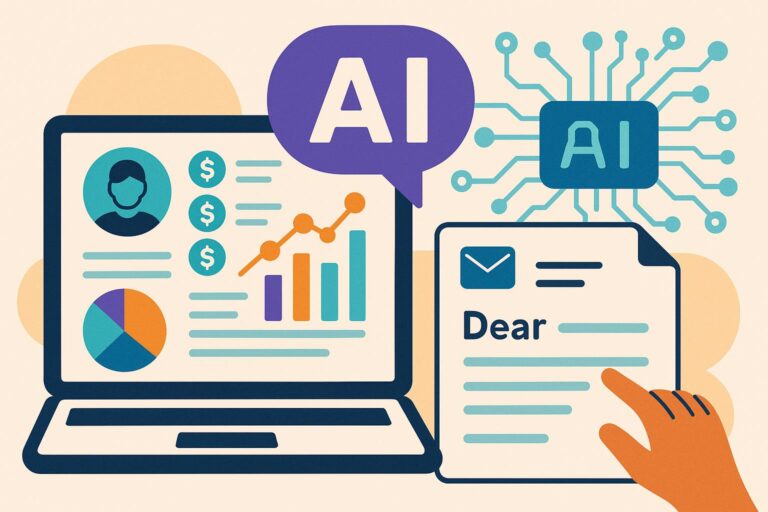
Use AI to analyze customer data and tailor content to individual preferences. Implement dynamic content blocks on your website or email campaigns that adapt based on user behavior, increasing engagement and conversions.
3. Integrate AI with Existing Marketing Workflows
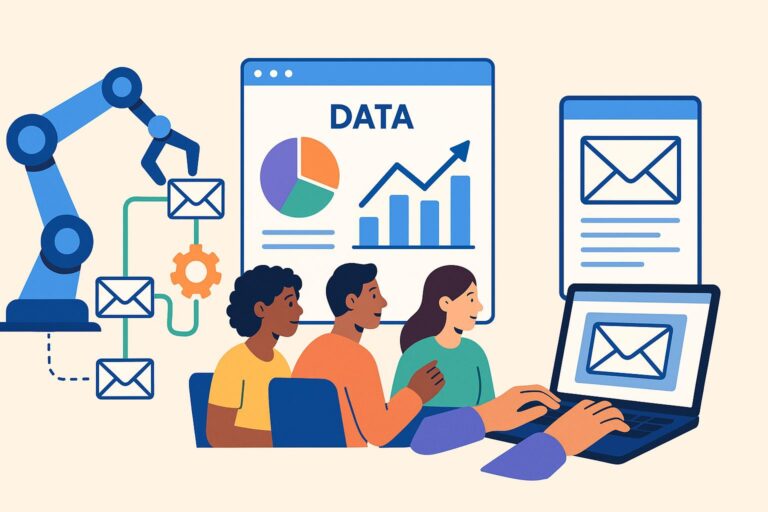
Leverage API integrations with platforms like HubSpot, Marketo, or Salesforce to automate content generation and deployment. For instance, set up workflows where AI tools suggest blog topics based on trending keywords or recent customer interactions.
4. Optimize Content with AI Analytics
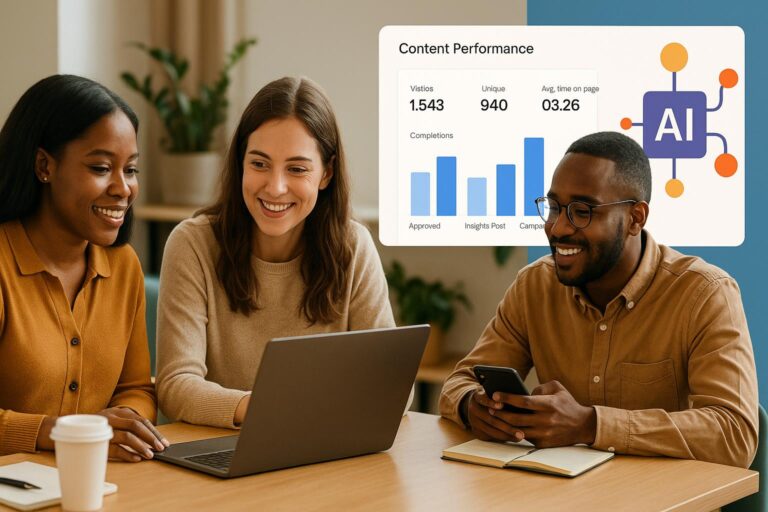
Utilize AI-driven analytics to assess content performance. Tools like MarketMuse or Clearscope can help identify content gaps, optimize for SEO, and improve readability to boost organic traffic and engagement.
5. Continuous Testing and Improvement
Implement A/B testing powered by AI to determine which content versions resonate best. Use insights gathered to refine your content strategy iteratively, ensuring ongoing engagement growth.
Step-by-Step Example: Automating Blog Post Generation
Here’s a simple example of how to automate blog post ideas using GPT-3 via OpenAI’s API:
// Define the API request to generate blog ideas
const axios = require('axios');

async function generateBlogIdeas(topic) {
  const response = await axios.post('https://api.openai.com/v1/engines/davinci/completions', {
    prompt: `Suggest 5 engaging blog post titles on the topic of ${topic}.
`,
    max_tokens: 50,
    temperature: 0.7,
  }, {
    headers: {
      'Authorization': `Bearer YOUR_API_KEY`,
      'Content-Type': 'application/json'
    }
  });
  console.log(response.data.choices[0].text.trim());
}

generateBlogIdeas('AI content creation for marketing');
This script prompts GPT-3 to generate creative blog titles, streamlining the ideation process. Integrate this into your content calendar workflows for continuous content inspiration.
Best Practices & Pitfalls to Avoid
- Data Privacy: Ensure customer data used for personalization complies with regulations like GDPR.
- Quality Control: Always review AI-generated content for accuracy, tone, and brand consistency.
- Avoid Over-Automation: Balance automation with human oversight to maintain authenticity and creativity.
Conclusion
AI-powered content creation is transforming how marketers engage audiences. By selecting the right tools, integrating AI into existing workflows, and continuously optimizing, teams can produce highly personalized, engaging content at scale. Embrace these strategies to stay ahead in the competitive digital landscape and unlock new levels of marketing performance.
Next steps include experimenting with AI tools, setting up API integrations, and monitoring content performance for ongoing improvements. The future of marketing automation lies in harnessing AI to deliver smarter, more impactful campaigns.