In today’s digital landscape, nonprofits face the challenge of capturing and sustaining donor and community engagement amidst a sea of competing messages. Traditional storytelling methods often fall short in creating emotional connections that drive action. Leveraging interactive storytelling offers a powerful solution to this problem, enabling organizations to craft immersive, personalized experiences that resonate deeply with audiences.
Understanding Interactive Storytelling in the Nonprofit Sector
Interactive storytelling is a dynamic approach where audiences participate actively in the narrative, often through digital platforms. Unlike static stories, these experiences invite engagement—clicks, choices, and participation—that foster a sense of ownership and empathy.
Why Interactive Storytelling Matters Now
The rise of digital platforms and mobile devices has transformed how we consume content. For nonprofits, this shift presents an opportunity to deepen engagement, increase transparency, and showcase impact through compelling, participatory stories. During seasonal campaigns or fundraising drives, interactive stories can motivate donors by making the cause personal and urgent.
Strategies for Implementing Interactive Stories
1. Use Personalization to Enhance Connection
Tailor stories based on user data—geography, interests, or past interactions—to make content relevant. For example, a donor from a specific region might see stories about local beneficiaries.
2. Incorporate Multimedia Elements
Leverage videos, photos, and audio to create multi-sensory experiences. An interactive map showing real-time impact or a timeline of success stories can deepen engagement.
3. Enable User Participation
Integrate polls, quizzes, or storytelling prompts that invite users to share their stories or choose their path through the narrative.
Tools and Platforms for Interactive Storytelling
Popular tools like Twine, Racontr, and Ceros enable nonprofits to craft interactive experiences without extensive coding knowledge. Integrating these with social media and email campaigns amplifies reach and engagement.
Measuring Success and Iterating
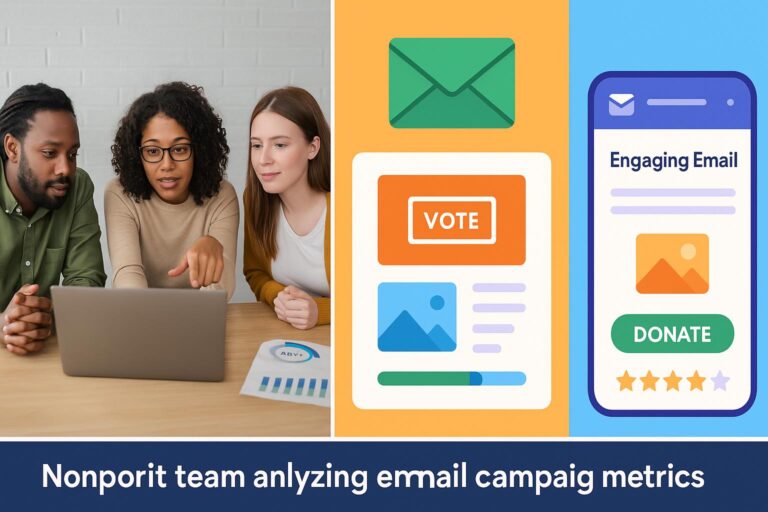
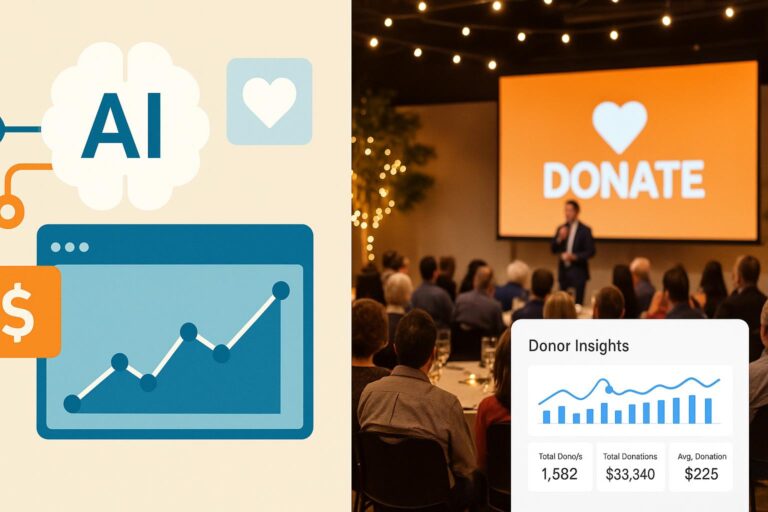
Track engagement metrics such as time spent, shares, and participation rates to refine storytelling strategies. Use feedback to enhance content relevance and emotional impact.
The Future of Nonprofit Engagement
As technology advances, expect richer, more immersive storytelling formats like AR and VR to become accessible. Nonprofits that innovate now will build stronger community bonds and drive greater impact.
In conclusion, leveraging interactive storytelling isn’t just a trend; it’s a strategic move that transforms passive viewers into active participants, fostering deeper connections and inspiring action. As the season of giving approaches, now is the time for nonprofits to harness these techniques and elevate their engagement efforts. What’s next? Experiment with interactive formats, gather feedback, and continuously evolve your storytelling approach to stay ahead in the digital age.