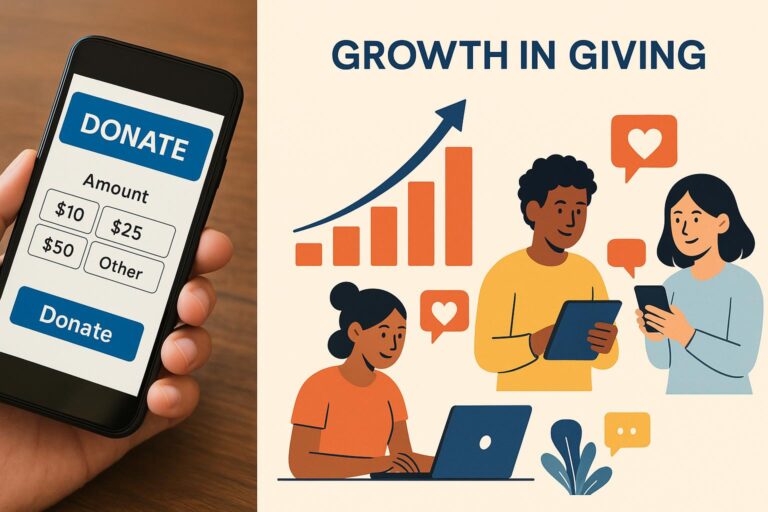
In the competitive landscape of online fundraising, nonprofits face the challenge of turning visitors into donors. With digital channels becoming the primary avenue for donations, crafting a donation page that prioritizes user experience (UX) is essential for maximizing impact. This article explores how strategic UX design can significantly boost conversion rates, shares insights from industry leaders, and offers actionable tactics to elevate your donation pages.
The Power of UX in Fundraising
Understanding user behavior and reducing friction are at the core of effective UX design. Donors often abandon pages that are cluttered, confusing, or slow to load. By focusing on clean layouts, clear calls-to-action, and seamless navigation, nonprofits can create an intuitive experience that guides visitors toward completing their donation.
Key Elements of a High-Converting Donation Page
1. Simplify the Donation Process
Reduce the number of steps required to donate. Use smart forms that autofill information when possible and minimize fields to only what’s necessary. A single, prominent donation button can increase conversions.
2. Mobile-First Design
Over half of online donations happen via mobile devices. Ensuring your donation page is responsive and easy to use on smartphones is crucial. Test your form’s usability across devices to avoid losing potential donors.
3. Transparency and Trust Signals
Include security badges, clear privacy policies, and testimonials. Donors want assurance that their contributions are secure and impactful, which builds confidence and encourages giving.
4. Engaging Visuals and Content
Use compelling images and stories that resonate emotionally. Visual storytelling can inspire visitors to act, making your call-to-action more effective.
Implementing UX Best Practices: Insights and Lessons
Leading nonprofits have learned that iterative testing and data-driven adjustments are key. A/B testing different headlines, button colors, or form placements can reveal what resonates best with your audience. Incorporating analytics allows you to track drop-off points and optimize accordingly.
What’s Next? Elevate Your Donation Pages Today
As digital fundraising continues to grow, prioritizing UX is no longer optional—it’s essential. Continually refine your donation experience with user feedback, analytics, and industry best practices. The more seamless and trustworthy your donation process, the greater your impact.
Start implementing these UX strategies today and see your donations soar!